Государственный музей истории Санкт-Петербурга
state museum of the history
of St.PETERSBURG
+7 (812) 230-64-31
THE MUSEUM
  • History of the Museum
  • Museum complex
    • Peter and Paul fortress
      • Interactive map
      • History
      • Photo gallery
      • 3D panoramas
      • Web cams
    • Oreshek Fortress
      • Map
      • History
      • Photo gallery
    • Monument to the Heroic Defenders of Leningrad
      • History
      • Photo gallery
    • Sergey Kirov Museum
      • History
      • Sergey Kirov Collection
      • Publications
      • Photo gallery
      • Sergey Kirov museum website
    • Rumyantsev Mansion
      • History
      • Photo gallery
    • Alexander Blok Museum
      • History
      • Photo gallery
    • Museum of Printing
      • History
      • Photo gallery
    • St Petersburg Museum of Avant-garde (Matyushin's House)
      • History
      • Photo gallery
  • News
  • Management
  • Cooperation
    • Other museum collaboration
    • Partners
  • Event organization
  • Documents
  • Archive
TO VISITORS
  • Virtual tour
  • Admission
  • Opening hours
  • Buy tickets online
  • Getting here
  • Accessible environment
  • Benefits and rights
  • Accompanying services
  • Souvenirs
  • Appeals of citizens
  • FAQ
EXHIBITS & EXHIBITIONS
  • Permanent displays
  • Temporary exhibitions
  • Routes
  • Exhibition aboard
EVENTS
  • Events
  • Ceremony
PROGRAMMES
  • Lectures
  • For children
  • Guided tours
  • Virtual Reality
FOR SPECIALISTS
  • Conferences
  • Museum internship
  • Scientific Library
  • Scientific and departmental archive
  • Restoration and reconstruction
PUBLICATIONS
  • Elecronic library
COLLECTIONS
  • Access to funds
  • Tariffs
  • Appeal to the donors
  • Interesting Facts
    Государственный музей истории Санкт-Петербурга
    THE MUSEUM
    • History of the Museum
    • Museum complex
      • Peter and Paul fortress
        • Interactive map
        • History
        • Photo gallery
        • 3D panoramas
        • Web cams
      • Oreshek Fortress
        • Map
        • History
        • Photo gallery
      • Monument to the Heroic Defenders of Leningrad
        • History
        • Photo gallery
      • Sergey Kirov Museum
        • History
        • Sergey Kirov Collection
        • Publications
        • Photo gallery
        • Sergey Kirov museum website
      • Rumyantsev Mansion
        • History
        • Photo gallery
      • Alexander Blok Museum
        • History
        • Photo gallery
      • Museum of Printing
        • History
        • Photo gallery
      • St Petersburg Museum of Avant-garde (Matyushin's House)
        • History
        • Photo gallery
    • News
    • Management
    • Cooperation
      • Other museum collaboration
      • Partners
    • Event organization
    • Documents
    • Archive
    TO VISITORS
    • Virtual tour
    • Admission
    • Opening hours
    • Buy tickets online
    • Getting here
    • Accessible environment
    • Benefits and rights
    • Accompanying services
    • Souvenirs
    • Appeals of citizens
    • FAQ
    EXHIBITS & EXHIBITIONS
    • Permanent displays
    • Temporary exhibitions
    • Routes
    • Exhibition aboard
    EVENTS
    • Events
    • Ceremony
    PROGRAMMES
    • Lectures
    • For children
    • Guided tours
    • Virtual Reality
    FOR SPECIALISTS
    • Conferences
    • Museum internship
    • Scientific Library
    • Scientific and departmental archive
    • Restoration and reconstruction
    PUBLICATIONS
    • Elecronic library
    COLLECTIONS
    • Access to funds
    • Tariffs
    • Appeal to the donors
    • Interesting Facts
      Государственный музей истории Санкт-Петербурга
      • МУЗЕЙ
        • Назад
        • МУЗЕЙ
        • History of the Museum
        • Museum complex
          • Назад
          • Museum complex
          • Peter and Paul fortress
            • Назад
            • Peter and Paul fortress
            • Interactive map
            • History
            • History burnings
            • Photo gallery
          • Oreshek Fortress
          • Monument to the Heroic Defenders of Leningrad Museum
            • Назад
            • Monument to the Heroic Defenders of Leningrad Museum
            • History
            • Photo gallery
          • Sergey Kirov Museum
            • Назад
            • Sergey Kirov Museum
            • History
            • Sergey Kirov Collection
            • Publications
            • Photo gallery
            • Sergey Kirov museum website
          • Rumyantsev Mansion
            • Назад
            • Rumyantsev Mansion
            • History
            • Photo gallery
          • Alexander Blok Museum
            • Назад
            • Alexander Blok Museum
            • History
            • Photo gallery
          • Museum of Printing
            • Назад
            • Museum of Printing
            • History
            • Photo gallery
          • St Petersburg Museum of Avant-garde (Matyushin's House)
            • Назад
            • St Petersburg Museum of Avant-garde (Matyushin's House)
            • History
            • Photo gallery
        • Contacts
        • Management
        • Board of Trustees
        • News
        • Cooperation
          • Назад
          • Cooperation
          • Other museum collaboration
          • Partners
            • Назад
            • Partners
            • Russian partners
            • Information partners
        • Additional services
          • Назад
          • Additional services
          • Events organization
          • Fund's services
        • About museum
          • Назад
          • About museum
          • Constituent documents
          • Financial and economic documents
          • Stop corruption
          • Antimonopoly compliance
          • Occupational safety and health
          • Auction
          • Rent
          • Constituent documents
        • Archive
      • ПОСЕТИТЕЛЯМ
        • Назад
        • ПОСЕТИТЕЛЯМ
        • Virtual tour
        • Admission
        • Opening hours
        • Buy tickets online
        • Getting here
        • Accessible environment
        • Benefits and rights
        • Accompanying services
        • Souvenirs
        • Appeals of citizens
        • FAQ
      • ЭКСПОЗИЦИИ и ВЫСТАВКИ
        • Назад
        • ЭКСПОЗИЦИИ и ВЫСТАВКИ
        • Permanent displays
        • Temporary exhibitions
        • Routes
        • Exhibition aboard
      • СОБЫТИЯ
        • Назад
        • СОБЫТИЯ
        • Events
        • Ceremony
      • ПРОГРАММЫ
        • Назад
        • ПРОГРАММЫ
        • Lectures
        • For children
        • Guided tours
      • СПЕЦИАЛИСТАМ
        • Назад
        • СПЕЦИАЛИСТАМ
        • Conferences
        • Museum internship
        • Scientific Library
        • Scientific and departmental archive
        • Guides and translation guides
        • Restoration and reconstruction
      • ИЗДАНИЯ
        • Назад
        • ИЗДАНИЯ
        • Научные сборники
        • Альбомы
        • Каталоги
        • Издания к выставкам
        • Путеводители
        • Книги
        • Издания для детей
        • Мультимедийные
        • Буклеты
        • На иностранных языках
        • АРХИВ
      • ФОНДЫ
        • Назад
        • ФОНДЫ
        • Access to funds
        • Tariffs
        • Appeal to the donors
        • Interesting Facts

      Ceramics and glassware

      • Main
      • Collections
      • Artefacts
      • Ceramics and glassware
      • Russian ceramics
        Russian ceramics 25
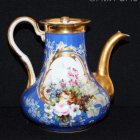
        More than 2000 units. The items (over 200 units), received from the collections of the Museum of Old Petersburg (founded in 1907) and the Museum of the City (founded in 1918) formed the beginning of the collection of Russian porcelain. Vases, decorative dishes, plates with the views of St. Petersburg, table sets, tea and coffee sets made at the state and private plants of Moscow, St. ... ↓ Petersburg, Novgorod and other cities of the Russian Empire. The collection contains both serial products and custom-made individual items. It could be decorative dishes, glasses, Easter eggs, miniatures on porcelain. The collection is updated with the objects that existed in the apartments of the citizens of St. Petersburg. ↑
      • Soviet ceramics
        Soviet ceramics  26
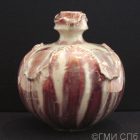
        More than 2,500 units. Chronological beginning of this section is presented by the items of propaganda porcelain (1918-mid 1930s) – a new direction in art, aimed to serve the promotion of the young Soviet state. The porcelain of this period was produced in minor quantities - no more than 300 copies, and was intended mainly for exhibiting at numerous international exhibitions. A separate ... ↓ complex of over 200 units comprise the items of 1920-1940-ies: commemorative plates with various inscriptions and tea and coffee sets. The uniqueness of this section is themed selection of things that are directly related to important historical events, such as the blockade things of the Leningradians: kettle, stove, plates, Christmas toys - colored light bulbs with colored pictures. A group of products dating back to 1950 - 2000-ies forms a large section: teapots, coffee pots, tea and coffee couples, bowls, plates, dishes, biscuit dishes, butter dishes, vases, children's services, performed at the variety of faience and porcelain domestic plants, many of which were closed in the 1990-ies. Sculpture forms a separate group of the collection. From the first years of the Soviet power, the government has paid attention not only to the portrait images of the party members, members of the military events and workers: pioneers at work, children making birdhouses, airplanes, reading books, walking in pairs or with their parents. Sculptors turned to the theme of childhood in relief compositions on the boxes and vases. Sculpture of the 1950's - 1990's was a form of agitation, propaganda, holiday and everyday events in the life of the country. In the sculpture of this period the most important topics that were discussed in the society were reflected: ballet, theater, sports. During this period the plants of the country established for mass and serial production the narrative sculptures from classical literature, fairy tales and stories about animals. Leningrad ceramics of 1950 - 2000-ies is represented by the works of artists-ceramists: V. Vasylkovsky, V. Gorislavtsev, V. Gorodetsky, M. Kopylkov, V. Markov, N. Rotanova, N. Savinova, L. Sokolov, I. Tarasyuk, V. Tsywin, V. Tsygankov. Their works are marked with individual approach to different topics and create their own unique atmosphere. Each master is an innovator and researcher in the field of ceramics and paints. This group is numerous and displays diverse topics. ↑
      • Foreign ceramics
        Foreign ceramics  17
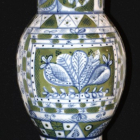
        More than 2000 items. This section is represented by the products made in the end of XVIII - beginning of the XXI century at the factories of Western Europe. The beginning of the collection of foreign porcelain were the items (over 100 units) received from the collections of the Museum of Old Petersburg (founded in 1907) and the Museum of the City (founded in 1918). These items include vases, ... ↓ decorative dishes, plates, dinner sets, tea and coffee couples and were carried out at foreign state and private enterprises. In the Museum's collection there are the products of the Copenhagen, Meissen and Sevres plants, Staffordshire factories, ceramic productions of Dowlton and Minton. This is the most well-known large enterprises. Significant group consists of little-known shops and factories that existed briefly — from 2 to 10 years. Many of them did not put their marks on objects but inflicted the trademarks of agencies that were required in the period to sell the product. Russia and the West always had historical, economic and political ties. Because of that many homes of the citizens obtained the products of ceramic enterprises of England, America, Germany, Holland, Denmark, Poland, Finland, France, Czech Republic, Sweden, as well as in private apartments in the West you can find the articles of Russian porcelain plants. Objects of applied art of the Western Europe often became the models. Many Russian factories started with copying artistic samples from Germany and France. In turn, foreign masters produced artworks for Russia, mainly souvenir species with the views of the Russian cities — St. Petersburg, Odessa, Moscow. The interest of Europe for Russia was associated with the rapid growth of Russian cities (for example Petersburg and its surroundings), as well as the interest for the ancient monuments of the Orthodox Russian cities. ↑
      • Russian, Soviet and West-European glassware
        Russian, Soviet and West-European glassware 12
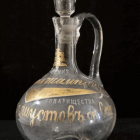
        More than 3000 items. This section includes the products made at Russian and foreign factories in the nineteenth and twentieth centuries. A small group form the items from the collections of the Museum of Old Petersburg (founded in 1907) and the Museum of the City (founded in 1918). For example, a glass with the engraved image of the panorama of Nevsky Prospekt from the Anichkov Palace to ... ↓ Admiralty; glasses and vases with the views of the Kazan Cathedral, the Spit of Vasilyevsky island, depicting the building of the Stock Exchange and Rostral columns. In this section the items are very diverse in their purpose: vases, dinner sets, products for domestic use - decanters, jugs, jars, siphons, food containers. This section includes samples of the pharmacy - perfume and bottle products from the nineteenth century to the present day. It is the largest section of the collection numbering about 1700 samples. Most of them were produced by plants, which became known as the "Suppliers to the Court of His Imperial Majesty". A small collection presents examples of French firms Galle, Daum brothers, unknown German masters. As many glass factories in Russia were closed in the 1990-ies, the value of such collection is undeniable. The collection is constantly updated with the products of the modern glass industry. ↑
      • Collection of gifts
        Collection of gifts 12
        More than 1000 units. Gifts were received from various community organizations and individuals with regard to the various anniversaries of the city. The Museum's collection includes gifts from the representatives of Leningrad - Petersburg, Kronstadt, Novgorod, Odessa, Mongolia, Central Asian republics, Ukraine, Belarus, Poland, Czech Republic, United Arab Emirates, France, England, Germany, ... ↓ Finland, Hungary and many others. Items in this section are of exceptional value because their circulation is always limited from 50 to 500 units, and the products were not used in mass production. The items are of different purpose — vases, pitchers, table decorations, sculptures, tea pairs. They were performed at porcelain and glass factories. The collection "the Gift to Stalin" has the exceptional historical significance. It was acquired by the Museum in 1956 from the State Historical Museum of Moscow - vases, decorative dishes, sculptures. This complex is formed on the basis of the gifts from foreign workers ' delegations. A large section of collection is formed by the gifts from the residents of Leningrad - St. Petersburg. This is the products of the XIX-XXI centuries. Items are generally in good condition. Obviously, they have stayed in apartments and people took care of them. Hard historical path - the revolution of 1917, the Civil and the Great Patriotic wars, 1990-ies. Nevertheless, glassware and porcelain come from many citizens, many of whom want their things to be presented in Museum collections. A significant role in the creation of the collection belongs to artists - ceramists whose exhibitions are held at the Museum and its branches. These are signed original works - decorative dishes, vases, panels. ↑
      • Access to funds 
      • Tariffs 
      • Appeal to the donors 
      • Interesting Facts 
      Information
      More than 12 380 items. The fund posesses objects of artistic and historical value. These are sculptures, vases and tableware including items with views of St. Petersburg-Leningrad and its environs, with portraits and domestic scenes. Major part of the fund is presented by samples of mass production of ceramics and glass which were widely used by citizens.


      ← Back to section
      Национальные проекты России

      Достижения регионов России

      Незаконное нанесение граффити

      Незаконное нанесение граффити

      Our contacts

      +7 (812) 230-64-31
      gmispb@cult.gugov.spb.ru
      State budgetary institution of culture «State Museum of the History of St. Petersburg»
      Stay in touch


      © 2026 Все права защищены.
      © 2026 All rights reserved. Служба по контракту
      Print version
      RU